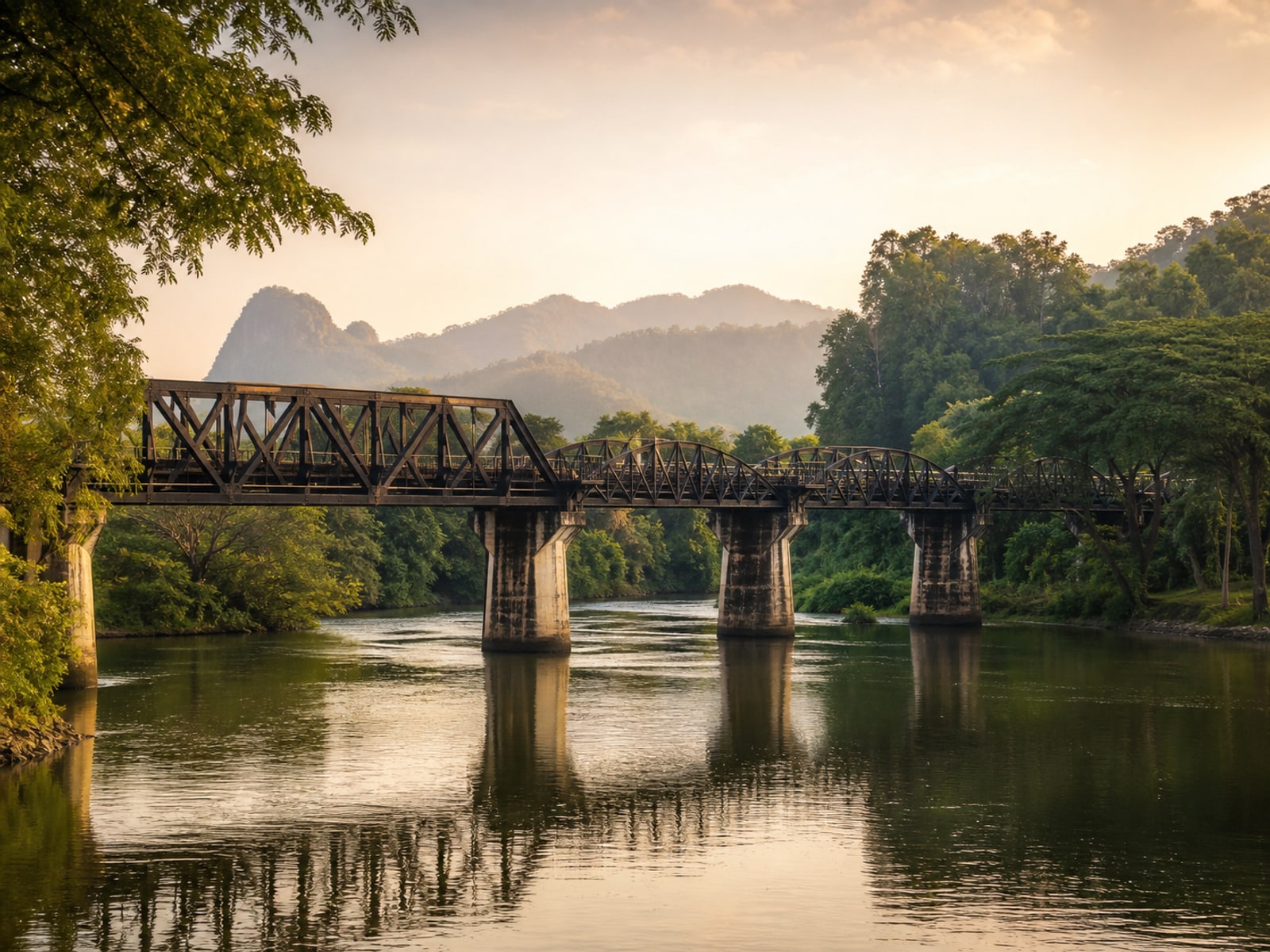
Surin with Kids: Silk, Community, and Ethical Elephant Choices
A practical guide to Surin with kids, balancing meaningful activities, transport, meals, rest, weather, and respectful travel.
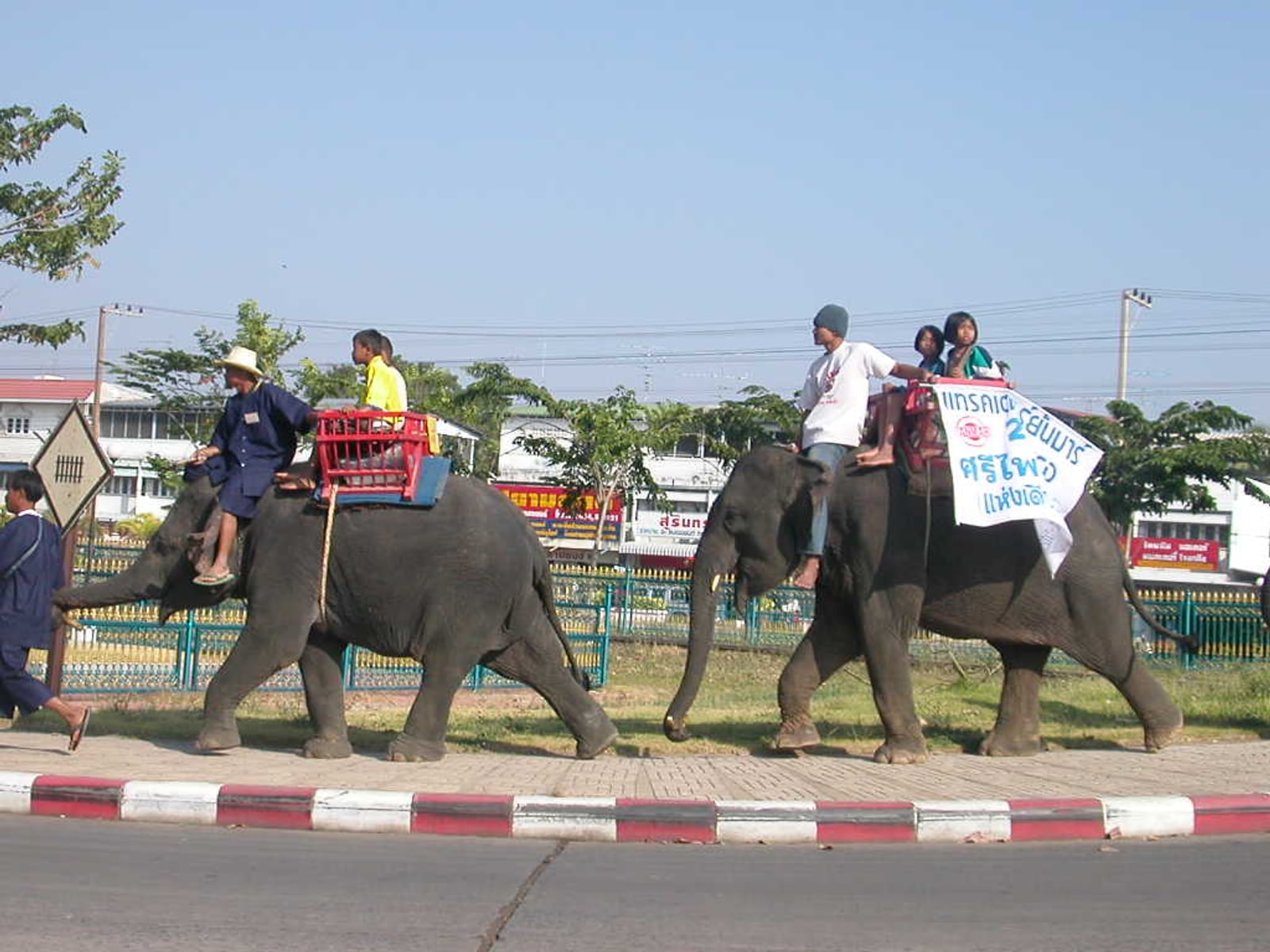
Surin can work beautifully with children when adults stop treating the province as a race. The useful starting point is Surin town, Wat Burapharam, and the silk-weaving community of Ban Tha Sawang, followed by only one of Kuy communities and elephant-related cultural areas north of the city, visited with local context. That gives the family a story to follow and enough spare energy to enjoy it.
Reviewer’s take: use a tactile silk activity to build context, explain animal welfare before any elephant-related visit, and keep driving blocks short. This is a stronger family plan than adding another distant landmark simply because it appears on a highlights list.
Give Children a Clear First Chapter
Use Surin town, Wat Burapharam, and the silk-weaving community of Ban Tha Sawang as the opening. Explain one or two details before arriving, then let children notice textures, food, sounds, or a simple activity. Short focused visits usually produce more questions—and better memories—than a long sequence of adult explanations.
Match Activities to Real Energy
The outward option is Kuy communities and elephant-related cultural areas north of the city, visited with local context. Treat it as a separate block with its own food, toilet, shade, and transport plan. For young children or older relatives, confirm steps, uneven ground, stroller access, and the distance from parking directly with the venue.
Pack for the Route, Not Every Emergency
For Surin, carry water, sun or rain protection, wipes, a change of clothes, familiar snacks, and any essential medicine. Keep these in the day bag rather than buried in the car. On longer roads, schedule a stop before anyone asks for one.
Choose the Easiest Base to Return To
The practical choice is central Surin near the railway for the first night, using a northern community base only for a properly arranged visit. A base near food and the next morning’s route often beats a more photogenic room that adds two difficult transfers every day. Confirm family-room layout, stairs, cots, and cancellation terms with the property.
Teach Respect Through the Visit
Children can take part in responsible travel when the rule is concrete: choose elephant experiences that prioritise welfare and do not force contact or performance, while following community guidance. Adults should model asking permission, waiting their turn, speaking quietly, and leaving natural or cultural objects where they belong.
Keep a Simple Backup
If heat, rain, road conditions, or low energy change a Surin day, replace the outer excursion with a shorter city activity, meal, or rest. Check current opening arrangements and transport details near the travel date. A shorter day that everyone enjoys is not a failed itinerary.
Sources to Recheck Before Travel
Frequently asked questions
How many nights are useful for a first trip to Surin?
Two nights give most visitors time to understand the main area and choose one outward route without turning the trip into constant driving.
What should travellers recheck before visiting Surin?
Recheck weather, road or boat conditions, opening arrangements, community appointments, and any booking rules with the responsible organisation close to departure.