Trat Travel Guide: A Mainland Pause Before the Islands
A first-time guide to Trat with practical areas, route choices, transport logic, local context, and a realistic pace.

Trat makes more sense when it is read as a collection of distinct areas, not a list of pins to clear. Start with Trat town, its market, wooden houses, and the mainland route toward Laem Ngop. Only then decide whether to add Koh Chang or another island reached only after treating ferry timing and weather as part of the plan as another day. That order gives the trip context and prevents most of the tiring backtracking that first-time visitors experience.
Reviewer’s take: Trat rewards travellers who choose one strong theme each day. The memorable part is the connection between a compact old town, eastern food, orchard produce, and the practical rhythm of a province that is also an island gateway, not the number of stops recorded on a phone.
Let the Centre Explain the Province
The most useful introduction is Trat town, its market, wooden houses, and the mainland route toward Laem Ngop. These places sit within the life of the city, so allow time for streets, food, and ordinary activity between landmarks. A quick photograph may show the façade; a slower walk explains why it belongs here.
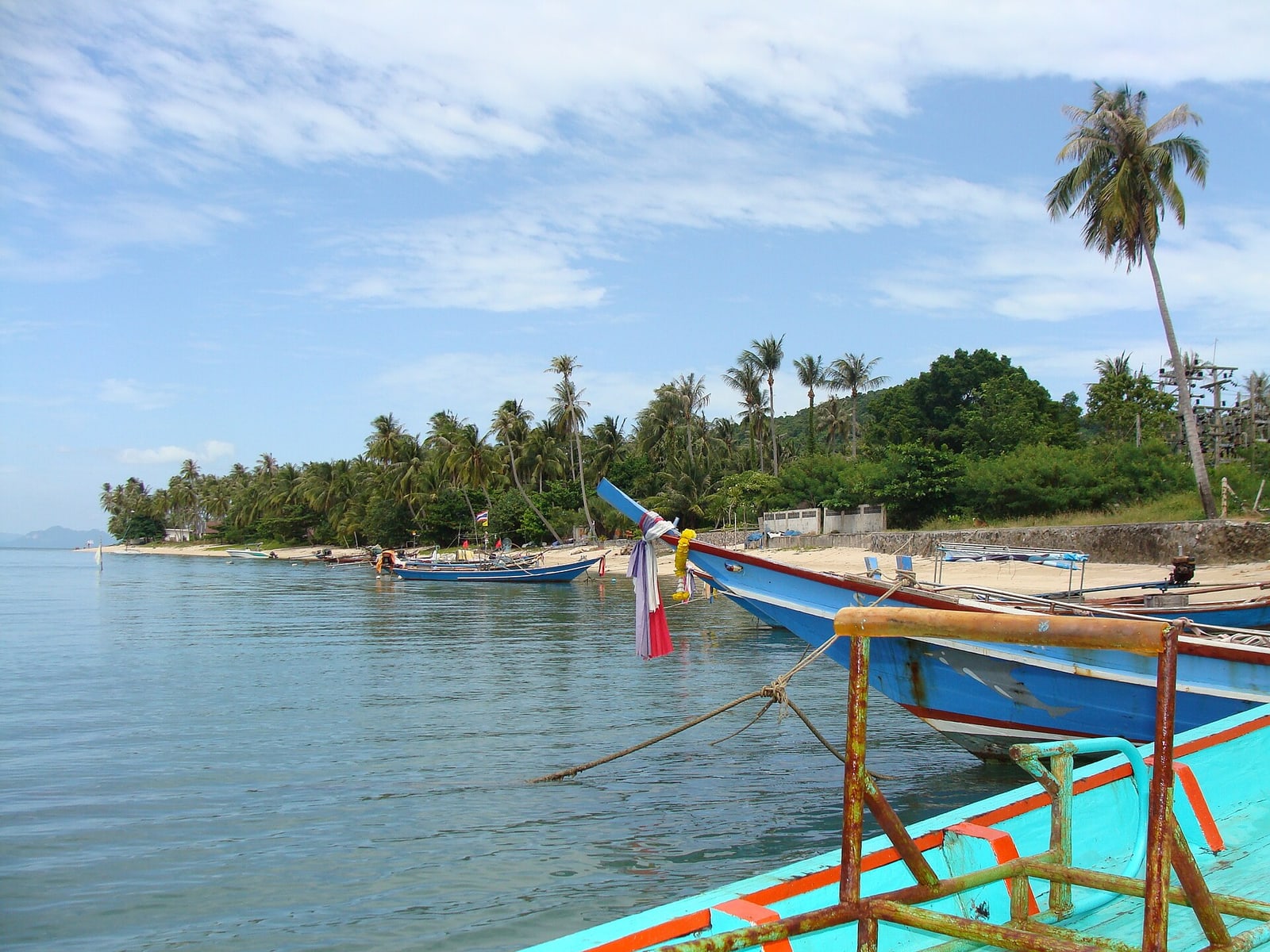
The second layer is Koh Chang or another island reached only after treating ferry timing and weather as part of the plan. It changes the geography and often the transport requirements. Check the real driving time before adding it, and avoid assuming that two names in the same province are practical on the same afternoon.
Pick a Base That Matches the Main Route
For most first visits, the clearest choice is Trat town before or after transport, Laem Ngop for ferry logistics, or the chosen island rather than commuting between them. A well-placed base is valuable because it shortens the return after dinner, makes an unplanned rest possible, and leaves fewer transfers vulnerable to weather.
Build the Day Around Local Rhythm
For families, protect a buffer before the ferry, keep food and spare clothes accessible, and avoid scheduling a major island activity on arrival day. Put outdoor or walking-heavy stops in the more comfortable part of the day, leave midday loose, and keep one nearby alternative rather than a second ambitious route.
Transport in Trat should be planned as part of the experience. Local rail or bus may work for the main town, while an outer district can require a car, driver, or prior community arrangement. Confirm the final leg instead of relying on the distance shown on a map.
Travel in a Way That Leaves the Place Intact
Responsible travel here means this in practical terms: confirm ferry and marine conditions, use licensed operators, reduce waste on islands, and respect fishing and residential spaces. Spend with local guides, makers, restaurants, and accommodation when they genuinely fit the route. Permission matters in homes, workshops, ceremonies, and working markets even when a camera is welcome elsewhere.
A Better First Trip to Trat
Treat Trat as a place to understand in layers. Begin with the centre, choose one outward direction, and leave enough room to change course. Before departure, recheck weather, road or boat conditions, opening arrangements, and community rules with the responsible organisation; those details can change after an article is published.
Sources to Recheck Before Travel
Frequently asked questions
How many nights are useful for a first trip to Trat?
Two nights give most visitors time to understand the main area and choose one outward route without turning the trip into constant driving.
What should travellers recheck before visiting Trat?
Recheck weather, road or boat conditions, opening arrangements, community appointments, and any booking rules with the responsible organisation close to departure.