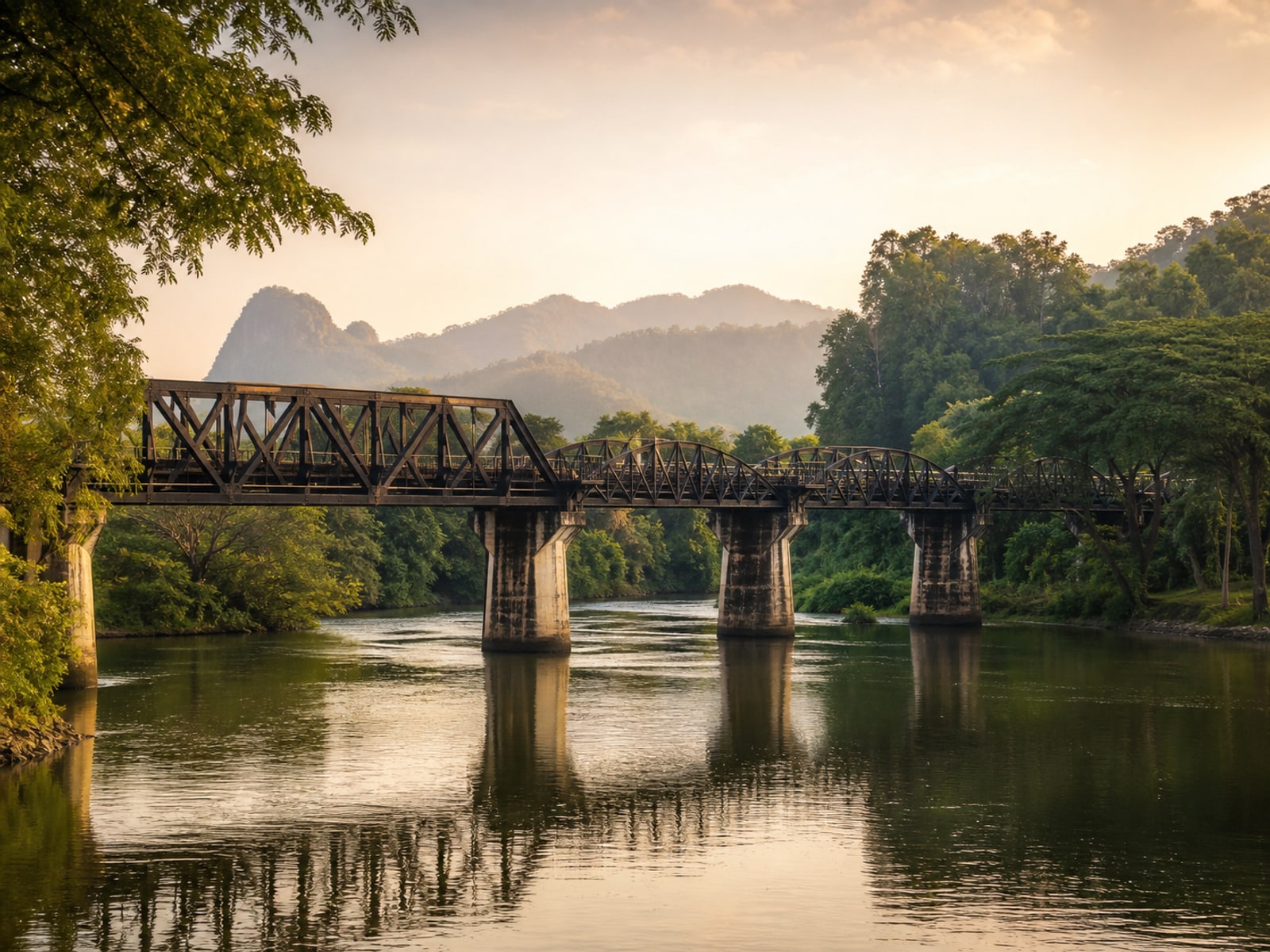
How to Start Planning Koh Samui with Family
A practical family guide to Koh Samui, covering where to stay, how to pace each day, and how to keep the trip comfortable for adults and children.
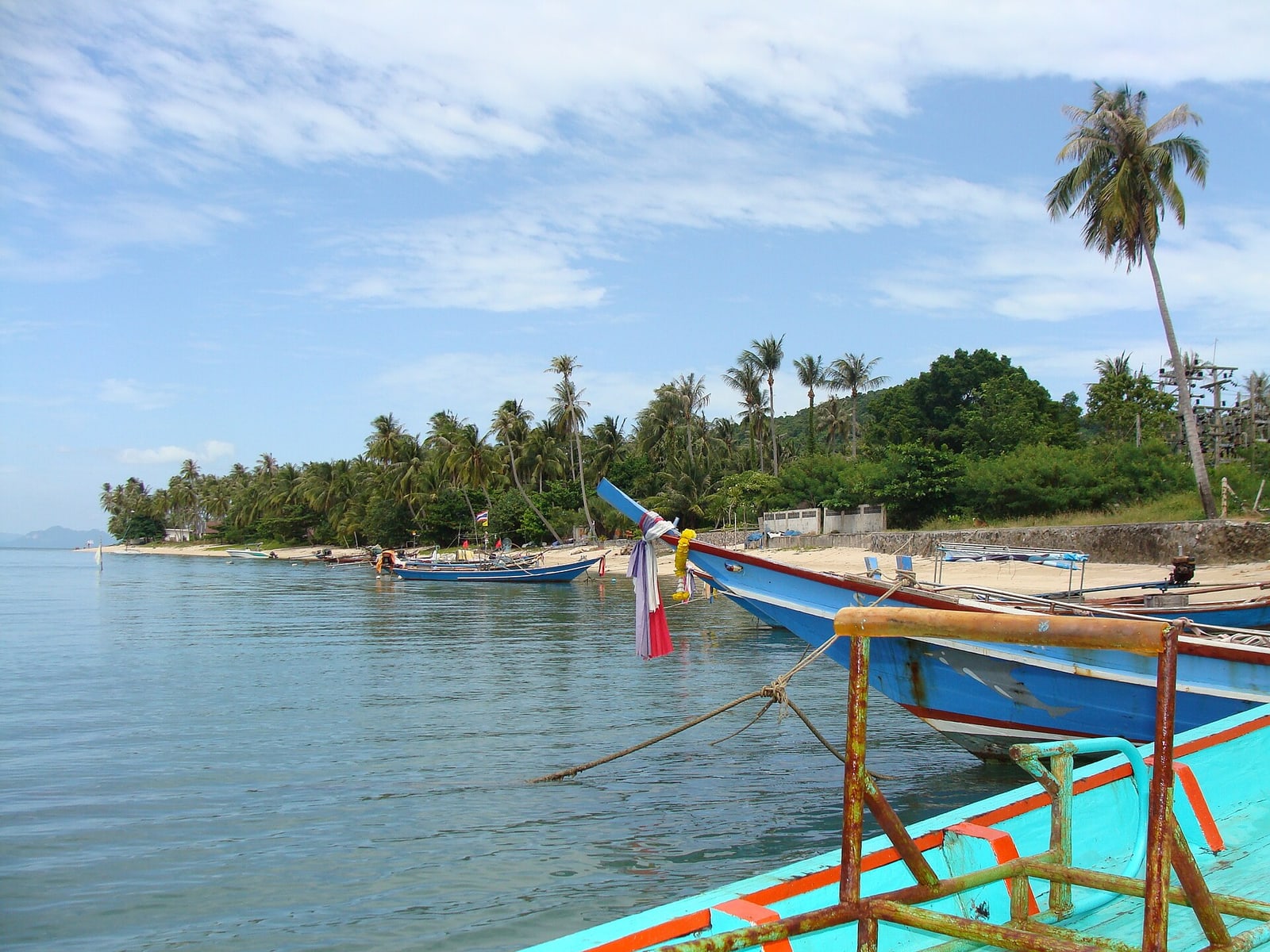
Koh Samui is easy to recognise and surprisingly easy to misplan. The island's beaches, waterfalls, temples and boat piers may share one map, but traffic and winding roads turn a cross-island checklist into long hours in a vehicle. Families should choose one coast as home and let the rest of the itinerary orbit it.
Reviewer's take: The best Samui family day usually contains one half-day outing, one long meal and unclaimed time at the beach or pool. If the schedule has no room for rain, naps or a second swim, it is already too full.
Choose a coast, not just a hotel
The northeast around Bophut and quieter nearby bays suits families who want evening food within easy reach. Chaweng and Lamai offer a broader range of services but vary greatly by exact street and beachfront position. The west and south can feel more private, with the trade-off of longer drives and fewer spontaneous meal choices.
Read the map at neighbourhood level. Ask whether the beach is directly accessible, whether the road is comfortable on foot, and where the family will eat after dark. A resort can be only a short distance from a village yet still require transport because of heat, road design or hills.
Keep the first day close to base
After a flight or ferry, stay within the chosen area. Learn the beach conditions, find drinking water and food, and let children recover. Sea depth, waves and boat traffic vary around the island; use only the section that looks safe now, not the one shown in an old review photograph.
A temple or local neighbourhood can fit into the cooler end of the day. Dress respectfully, keep voices low and avoid turning worship or residents' routines into a photo session. The island remains home to people even where tourism is highly visible.
Choose one headline outing
A boat day to the surrounding marine landscape can be excellent for older children, but check weather, licensed operation, life jackets in the correct sizes, shade and toilet access. A waterfall or interior route is an alternative, not an automatic addition. Trail surfaces and water conditions change, so ask locally before leaving the coast.
If the family wants an elephant-related activity, choose an operation focused on welfare and observation. Avoid forced bathing, riding, tricks or close contact offered mainly for photographs. A responsible venue should explain animal choice and allow animals to move away.
Getting around honestly
Self-driving offers flexibility only when the driver is confident with local traffic, hills and left-side driving. Check licence and insurance requirements, photograph vehicle condition and use proper child restraints. Otherwise arrange a reputable transfer and confirm the full fare, pickup point and child-seat availability in advance.
Weather changes the edit
Rain does not always end the day, but wind and marine warnings can cancel the plan that matters. Keep a local food stop, indoor activity and hotel time as real alternatives. Do not pressure a captain or guide to proceed when conditions are unsuitable; the operator's cautious decision protects the family.
Family verdict
Three nights is the practical starting point: arrival and beach time, one main outing, then a flexible day. Stay on one coast, reduce cross-island driving and verify sea conditions, transport and attraction rules directly before each activity. Samui becomes generous when the family stops treating it as a circuit.
Frequently asked questions
What kind of family trip is Koh Samui best for?
It works best for families who prefer a manageable pace, clear daily priorities, and enough flexibility to adjust around children, meals, and energy levels.
How can families keep the trip from becoming too tiring?
Choose only a few important activities each day, keep stops close together, leave room for breaks, and prepare simple alternatives when the group needs to slow down.