Two Days in Surin: Silk, Community, and Ethical Elephant Choices
A realistic two-day Surin itinerary that separates the city and outer route, with food, rest, transport, and backup planning.
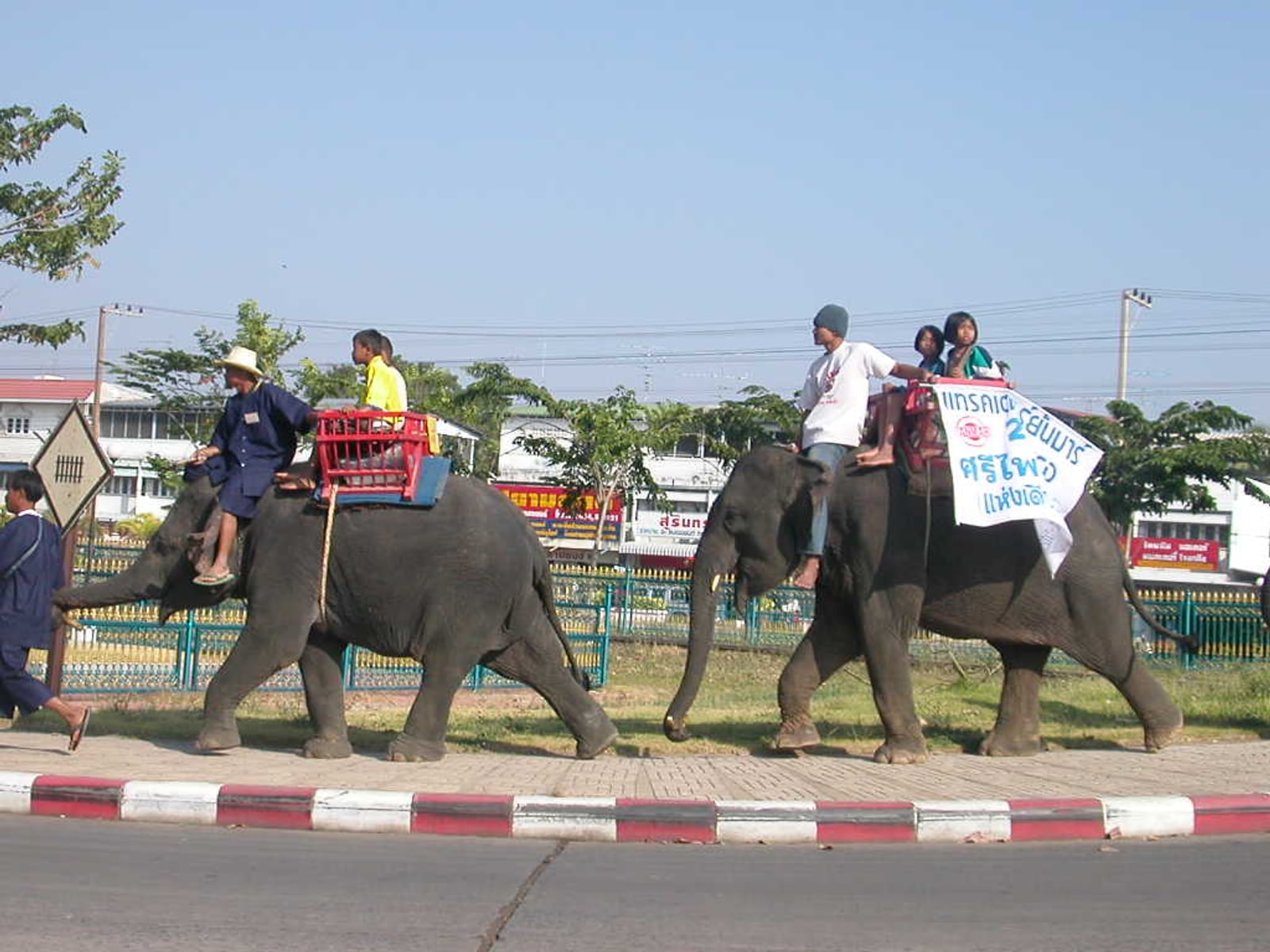
Two days in Surin work best when each day has a different job. The first should explain the place through Surin town, Wat Burapharam, and the silk-weaving community of Ban Tha Sawang; the second can reach Kuy communities and elephant-related cultural areas north of the city, visited with local context. This sequence keeps the route readable and leaves enough space for meals, weather, and the unexpected details that make a trip memorable.
Reviewer’s take: Do not judge this itinerary by the number of pins. Judge it by whether the route reveals intricate silk, Khmer-influenced heritage, and the long relationship between Kuy communities and elephants without spending the best hours inside a vehicle.
Before Day One: Choose the Right Base
The sensible base is central Surin near the railway for the first night, using a northern community base only for a properly arranged visit. Arrive with enough time to check in, eat, and understand the immediate area. Avoid attaching a non-refundable activity to the end of a long rail, road, or ferry journey.
Day One: Read the Centre Slowly
Understand the city through Wat Burapharam and Ban Tha Sawang, leaving time to watch rather than rushing through the weaving process. Keep the midday block flexible. It can absorb heat, rain, a longer museum visit, or a meal worth lingering over without breaking the rest of the schedule.
When walking through active places in Surin—temples, markets, homes, or workshops—watch local behaviour and ask before taking close photographs. The centre is not merely the easy day; it provides the context needed to understand tomorrow’s outer route.
Day Two: Commit to One Direction
Join a responsibly arranged community visit north of the city, asking clear questions about welfare before participating. Confirm the final transport leg and return time, then remove any optional stop that depends on perfect traffic or weather. A route with one strong outer area is more convincing than three rushed districts.
For families, use a tactile silk activity to build context, explain animal welfare before any elephant-related visit, and keep driving blocks short. Carry water and an easy snack, and identify a practical place to pause before the longest transfer.
Make the Itinerary Responsible
The local rule is to choose elephant experiences that prioritise welfare and do not force contact or performance, while following community guidance. Use locally based services where practical and follow access instructions for religious, natural, residential, and working spaces.
What to Recheck
Opening arrangements, road or boat conditions, community appointments, and weather can change. Verify them close to departure and keep one shorter alternative near the base. The itinerary is successful when both days still feel like Surin, even after a sensible change.
Sources to Recheck Before Travel
Frequently asked questions
How many nights are useful for a first trip to Surin?
Two nights give most visitors time to understand the main area and choose one outward route without turning the trip into constant driving.
What should travellers recheck before visiting Surin?
Recheck weather, road or boat conditions, opening arrangements, community appointments, and any booking rules with the responsible organisation close to departure.