Two Days in Bueng Kan: A Realistic Local Itinerary
A two-day Bueng Kan itinerary with coherent routes, honest travel time, local meals and enough breathing room to enjoy the province rather than race through it.
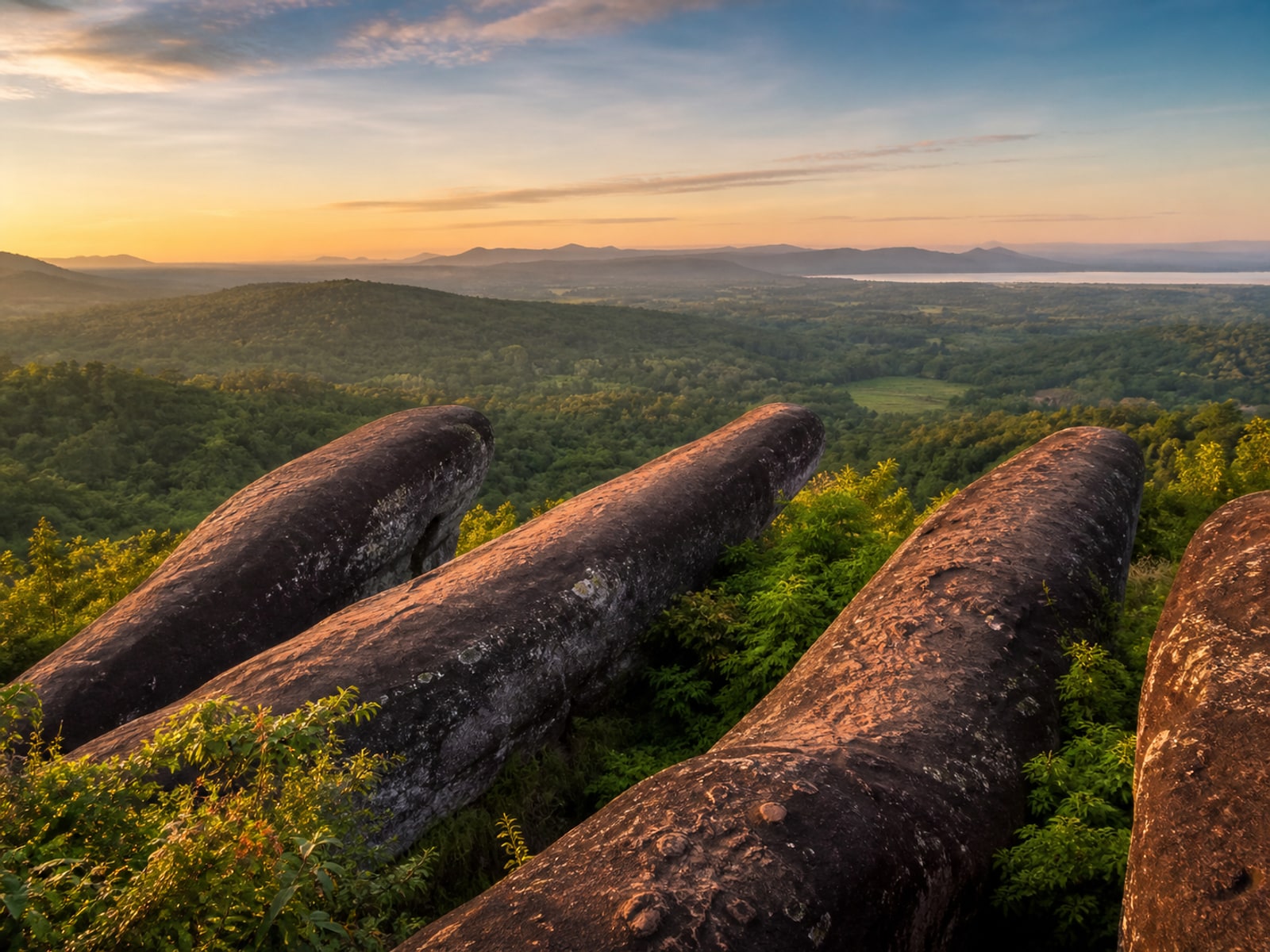
Two days in Bueng Kan should have a clear arc: first understand Bueng Kan town and its Mekong riverfront, then make one deliberate outward journey to Bueng Khong Long and the Phu Langka area. A young Mekong province where riverside routines and sandstone forest landscapes reward an unhurried plan is best experienced through contrast, not speed.
Reviewer's take: Protect the time around Three Whale Rock in Phu Sing Forest. It gives this short itinerary its sense of place; extra pins do not.
Before day one
Stay at Bueng Kan town for food and easy evening walks and arrive early enough to sleep properly. Save the route offline, keep small cash and ask the accommodation about the next morning's conditions. Forest access, local transport, rain and visibility can change the shape of a day, so confirm conditions with the site operator before leaving town. This itinerary is deliberately selective, because a believable two-day trip needs time for weather, food and the wrong turn that becomes an interesting street.
Day 1 morning: read the city first
Begin at Bueng Kan town and its Mekong riverfront. Do not rush immediately to the most photographed angle. Walk a complete small circuit, notice where local life continues around the landmark, and give the first stop enough time to establish context. Coffee or a market snack nearby is part of that reading, not lost time.
Day 1 afternoon: culture at human speed
Lunch should introduce simple Isan cooking and Mekong fish dishes. In the hottest hours, choose shade, a museum, a workshop or a proper break. Later, return to Three Whale Rock in Phu Sing Forest. The change in light and activity often makes the same area feel more revealing than a second distant attraction.
End the Bueng Kan day close to the hotel. A local dinner and an unplanned evening walk are preferable to driving in the dark simply to lengthen the list.
Day 2: one outward journey
Set aside the second day for Bueng Khong Long and the Phu Langka area. Leave with water and a full fuel or transport plan, but retain an exit option if the weather or access is poor. Give the destination a full block of time, speak with people when appropriate, and avoid adding another district just because it appears close on a small map.
Return before fatigue dictates the drive. If the excursion becomes impractical, stay around Bueng Kan town and its Mekong riverfront, eat well and look more closely. A resilient itinerary is one that remains enjoyable after its headline plan changes.
What I would cut first
Cut the farthest additional stop, not lunch or rest. Then cut any activity whose main value is the photograph. Protect Three Whale Rock in Phu Sing Forest, because it expresses what is particular about Bueng Kan. Two coherent days should feel like a short story with a setting, a change of scene and time to absorb both.
Travel well
Use local guides where required, stay on marked routes and carry every piece of rubbish out of the forest. Keep noise low, follow barriers, and do not create access where none is offered. Pay local producers fairly, ask before photographing identifiable people and remember that homes, temples and working landscapes are not sets.
Source and current checks
The route was fact-checked against the Tourism Authority of Thailand's Bueng Kan page. Reconfirm opening times, road or water conditions, transport and local rules directly before the trip.
Frequently asked questions
How many nights should I spend in Bueng Kan?
Two nights are a sensible minimum for Bueng Kan town and its Mekong riverfront. Add another night if Bueng Khong Long and the Phu Langka area is central to the trip, especially when road or weather conditions affect travel time.
What should I confirm before travelling to Bueng Kan?
Check current opening times, transport, weather and access rules directly with the venue or operator. Forest access, local transport, rain and visibility can change the shape of a day, so confirm conditions with the site operator before leaving town.