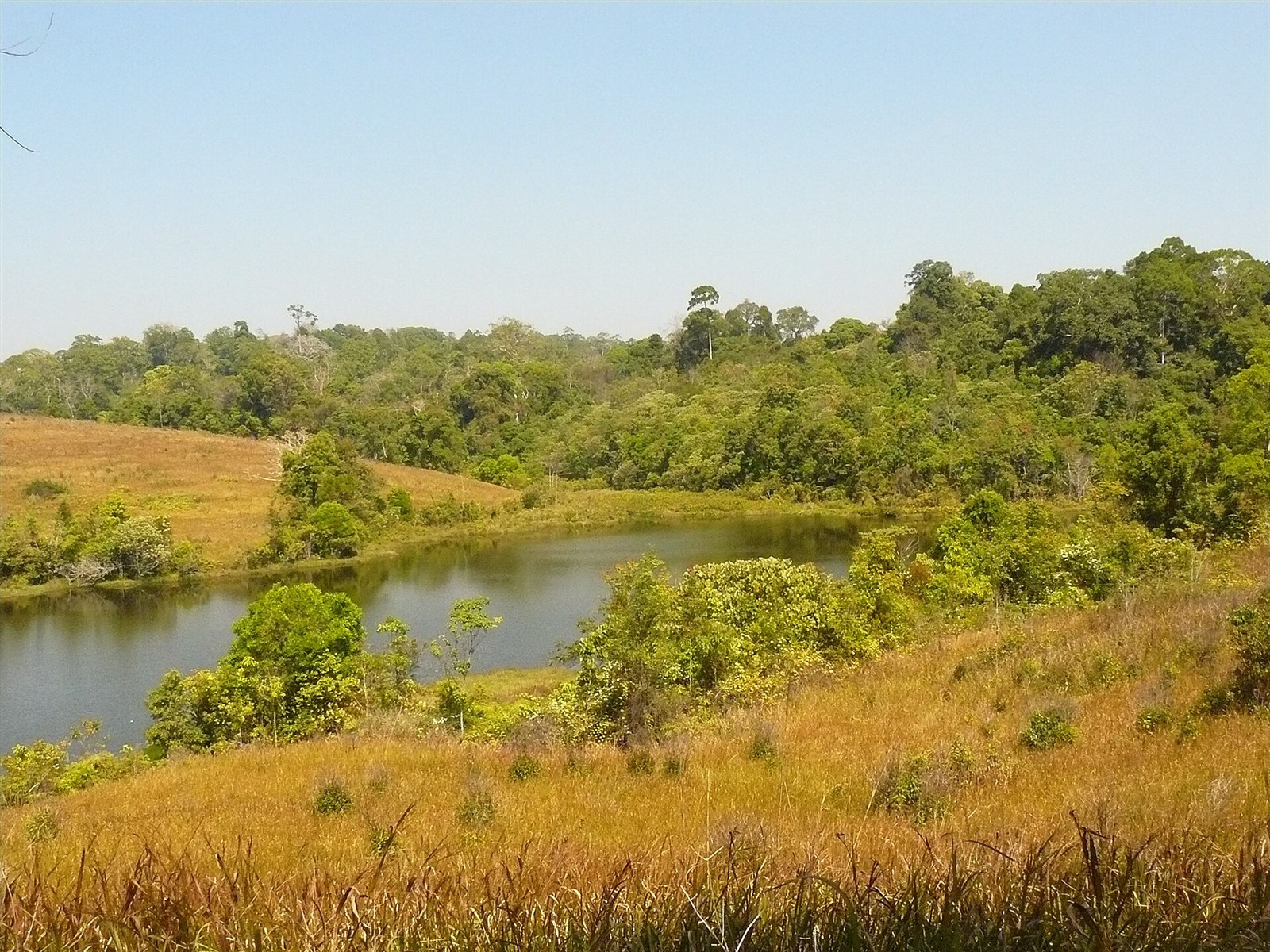
Lamphun with Respect: Hariphunchai History at a Slower Pace
A responsible travel guide to Lamphun, connecting local culture, practical routing, community etiquette, and choices that support the place.
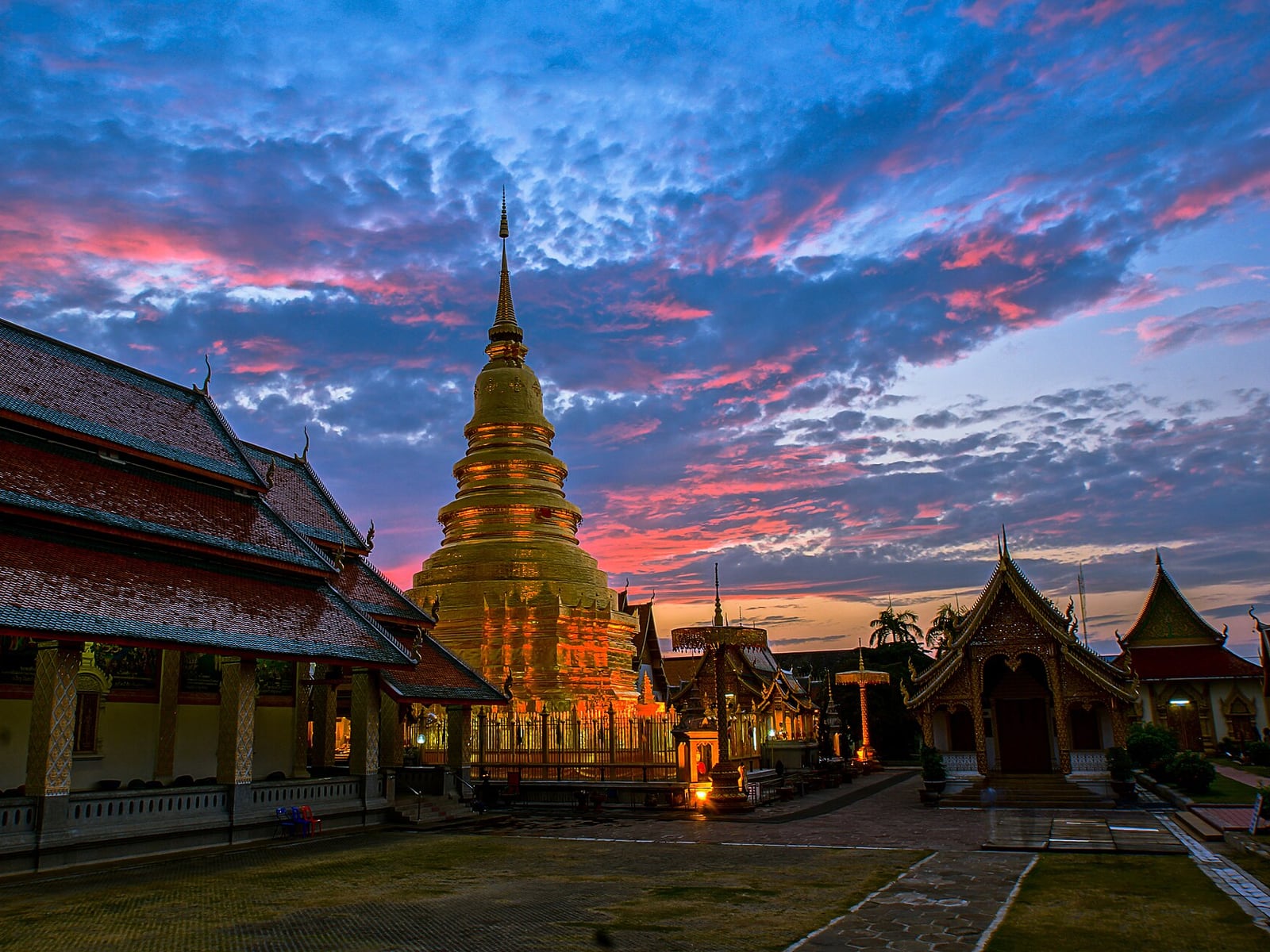
Lamphun is easiest to appreciate when local life is not treated as scenery. Around Wat Phra That Hariphunchai, the old moat, and the lanes of the historic centre, the visitor is sharing space with worshippers, traders, craftspeople, and residents. The better question is not “Where is the best photo?” but “What behaviour lets this place continue working after I leave?”
Reviewer’s take: The character of Lamphun comes from Hariphunchai history, active Buddhist traditions, longan-growing communities, and local textiles. Choose experiences that explain those connections, and be willing to skip anything that depends on intrusion, forced performance, or rushed consumption.
Begin with Context, Not a Camera
Start around Wat Phra That Hariphunchai, the old moat, and the lanes of the historic centre. Read posted rules, watch how residents use the space, and ask before photographing people or work in progress. Temples, markets, orchards, and historic homes can be open to visitors without becoming consequence-free studios.
Pay for Knowledge as Well as Objects
When exploring Ku Chang–Ku Ma, Pa Sang craft communities, and the rural road back toward Chiang Mai, use arrangements led by people who live or work there. A workshop fee, guide service, meal, or fairly priced craft purchase often supports the knowledge behind the experience more directly than a hurried souvenir stop.
The province’s strongest story is Hariphunchai history, active Buddhist traditions, longan-growing communities, and local textiles. Give a maker or guide time to explain it. This changes the visit from collecting an image to understanding why a material, ritual, landscape, or livelihood matters.
Use Geography Responsibly
The practical base is inside or just outside the old moat for a quiet evening, rather than treating Lamphun only as a rushed stop from Chiang Mai. Group nearby stops and avoid unnecessary return drives. Slower routing reduces fuel use, but it also creates time to eat locally, rest properly, and notice places that disappear from a packed schedule.
If travelling through Lamphun as a family, plan a short old-town walk in the morning, then add one craft or countryside stop with enough time for food and rest. A respectful plan also includes toilets, shade, meals, and an exit option; nobody benefits when fatigue turns a cultural visit into a negotiation.
Apply the Local Rule, Not a Generic Checklist
In Lamphun, the clearest priority is to dress for active temples, lower voices during ceremonies, and arrange community visits instead of arriving as if homes were public exhibits. Keep waste with you until it can be disposed of correctly, do not enter private or restricted areas, and follow instructions even when another visitor ignores them.
Leave More Than a Review Score
A thoughtful trip through Lamphun distributes attention and spending beyond the most famous stop without demanding that every community perform for visitors. Recheck weather, access, event dates, and operating arrangements close to travel; responsible behaviour begins with accurate expectations.
Sources to Recheck Before Travel
Frequently asked questions
How many nights are useful for a first trip to Lamphun?
Two nights give most visitors time to understand the main area and choose one outward route without turning the trip into constant driving.
What should travellers recheck before visiting Lamphun?
Recheck weather, road or boat conditions, opening arrangements, community appointments, and any booking rules with the responsible organisation close to departure.