10 Best Places to Visit in Korat: Khao Yai, Phimai & Beyond
Discover 10 worthwhile places to visit in Korat, from Khao Yai and Phimai to Wang Nam Khiao, with a realistic route plan and practical checks before you go.
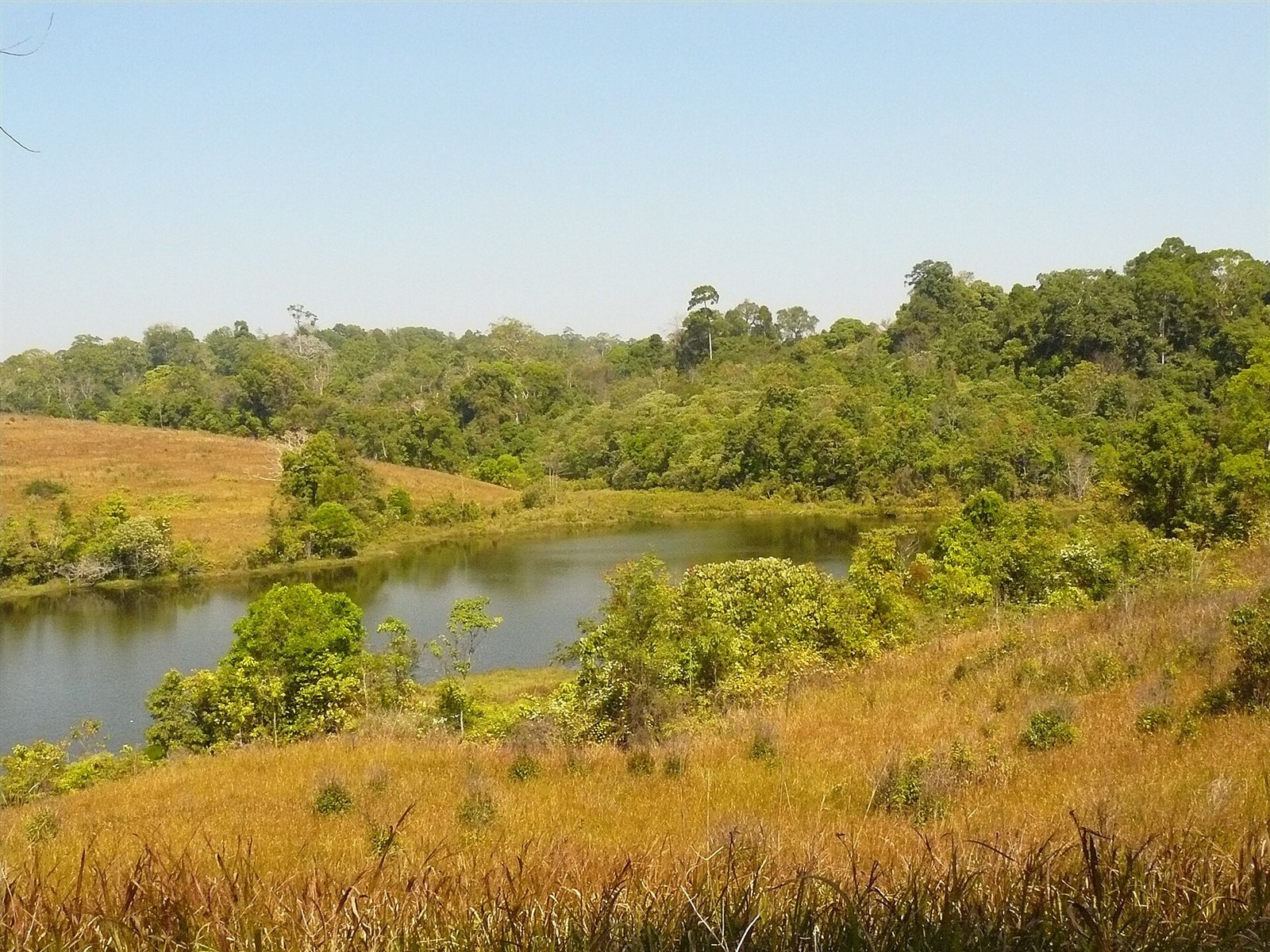
Korat is too large to treat as a list of pins. Nakhon Ratchasima province stretches from a lively regional city and Khmer-era history to the forests around Pak Chong and the cool, agricultural edge of Wang Nam Khiao. The useful way to use this list of 10 places is to choose one geographical story for each trip, rather than trying to prove that you saw everything.
Reviewer's take: With one weekend, choose either the Korat City–Phimai axis or the Pak Chong–Khao Yai axis. Adding Wang Nam Khiao to both usually creates more windscreen time than memorable travel.
1. Khao Yai National Park — let the forest set the pace
The Pak Chong side of Khao Yai is Korat's best-known nature gateway, but its value is not a race between viewpoints. Choose a short trail, a ranger-led or approved activity, or one landscape stop that fits the time you actually have. Leave space to notice the forest at its own volume.
Wildlife is never an invitation to get closer. Drive slowly, never feed or call animals, avoid loud music and follow every instruction from park staff. Access, routes and weather change by season, so verify current conditions directly with the park before departure.
2. Phimai Historical Park — give the stonework time
Phimai brings a distinct historical dimension to a Korat trip. Its sandstone structures, moat and old urban plan offer a powerful introduction to the region's Khmer heritage when you take time to look, rather than use it as a quick photograph between long drives.
Pair Phimai with Korat city or Dan Kwian only when you accept the real distance involved. Read the interpretation, hire a knowledgeable local guide if available, and do not climb or touch fragile monuments for an image. Historic fabric does not recover from a visitor's shortcut.
3. Thao Suranari Monument — read the city's civic heart
The Thao Suranari Monument is a meaningful starting point for understanding Korat city, not simply a landmark to tick off. It remains a place of respect for many residents. Move gently through the space, avoid obstructing prayers or ceremonies, and leave theatrical photo poses for somewhere else.
Use the monument as a marker for an easy old-city walk and a proper local meal. An unhurried evening of Khorat food and city life can reveal more than a hurried sequence of distant attractions.
4. Wat Sala Loi — architecture with an active spiritual life
Wat Sala Loi deserves attention as both a long-standing city temple and a place with striking modern religious architecture. Give the site enough time to observe its form and atmosphere. Dress respectfully, keep voices low and ask before photographing when worship or a ceremony is under way.
It fits naturally with the monument and a museum in the city, making it a better choice than a cross-province detour. Place it in the morning or late afternoon and leave the middle of the day for food and rest.
5. Petrified Wood Museum — Korat below the surface
The Museum of Petrified Wood and Mineral Resources of Northeastern Thailand gives a different reading of Korat: geology, fossils and the deep time beneath the region's landscapes. It is an especially worthwhile stop for families and curious travellers who want more than another scenic photograph.
Do not treat it as a filler between far-apart appointments. A slow visit makes the displays more useful. Check current opening arrangements, programmes and visitor rules directly with the museum before you leave.
6. Dan Kwian — buy craft with context
Dan Kwian is known for pottery, and the most satisfying visit starts with questions: who made this piece, what clay and process shaped it, and will it be used or merely carried home? When a workshop can explain its own practice, a modest, useful purchase can mean more than a hard bargain on a large decorative object.
Dan Kwian belongs with Korat city more comfortably than with Khao Yai on the same day. Bring a reusable bag or protective wrapping if buying pottery, and ask before photographing people at work inside a workshop.
7. Prasat Phanom Wan — a second chapter of regional history
Prasat Phanom Wan is a reminder that Korat's Khmer heritage is not confined to Phimai. It rewards travellers who want to move from the best-known site to a more local archaeological context. Plan it as a half-day from the city, not as proof that every Khmer monument in the province has been “done.”
Stay on designated paths, do not lean on or climb structures, and take all rubbish away. These places are more revealing when you slow down enough to see their setting and construction.
8. Lam Takhong Dam — give the horizon breathing room
The Lam Takhong corridor makes a useful pause along the Pak Chong–Sikhio route, provided that safety comes before the view. Use authorised access areas, do not enter water or restricted zones, and leave no food packaging near the reservoir.
Avoid squeezing the dam, a camping plan and a full Khao Yai day into one afternoon. A little unscheduled time, a local meal and arriving before dark make the route feel like travel rather than transit.
9. Sakaerat Environmental Research Station — forest as a classroom
Sakaerat is for travellers who want a more thoughtful encounter with nature. Its work is rooted in environmental research and ecology, so visiting should follow the format, access rules and booking arrangements set by the responsible organisation—not an assumption that every forest path is open at all times.
Birding, walking and stargazing can be seasonal or conditional. Arrange visits in advance, use approved services and minimise light and sound around wildlife. Respecting the limits is part of the experience, not a compromise.
10. Wang Nam Khiao and Pha Kep Tawan — leave only the view behind
Wang Nam Khiao is loved for its cooler feel, farms and forest edge, while Pha Kep Tawan offers a broad landscape pause. Treat this zone as its own trip, or at least an extra night beyond Pak Chong. The distance and roads deserve more respect than a same-day photo itinerary allows.
Choose stays and businesses that manage water and waste thoughtfully, keep noise down in the early morning and late evening, and carry all rubbish out from viewpoints. Fog, wind, rain and access can change quickly; confirm current conditions with the site operator close to travel.
How to turn these 10 Korat attractions into a real trip
For two days, choose Korat City–Dan Kwian–Phimai for civic history, craft and archaeology, or Pak Chong–Khao Yai–Lam Takhong for forest and rest. With three days or more, add Sakaerat or Wang Nam Khiao. The blank space in the schedule matters: it makes room for Khorat noodles, small shops and the conversations that turn an itinerary into a visit.
Before you go
This guide deliberately avoids fixed opening hours, fees and activity schedules because they change. Provincial context and major highlights were checked against the Tourism Authority of Thailand's Nakhon Ratchasima guide and its Korat itinerary guidance. Confirm current access, transport, weather and site rules directly with each responsible venue before travelling.
Frequently asked questions
What is the best two-day Korat itinerary?
Choose one coherent axis: Korat city, Dan Kwian and Phimai for culture and history, or Pak Chong, Khao Yai and Lam Takhong for nature. Add Wang Nam Khiao only with another night.
Can I visit all 10 places in Korat in one trip?
Not comfortably on a short visit. Korat is a large province, and park access, weather, road conditions and venue operations can alter travel time. Pick the places that fit one route.